Life is unpredictable, and financial emergencies can arise when least expected. Medical expenses, sudden job loss, urgent business requirements, or unexpected travel costs can create financial stress for individuals and families. This is why emergency fund planning is an essential part of personal finance management. A properly maintained emergency fund helps people manage difficult situations without immediately depending on borrowing options like an emergency loan for salaried employees or other urgent credit solutions.
What is an Emergency Fund?
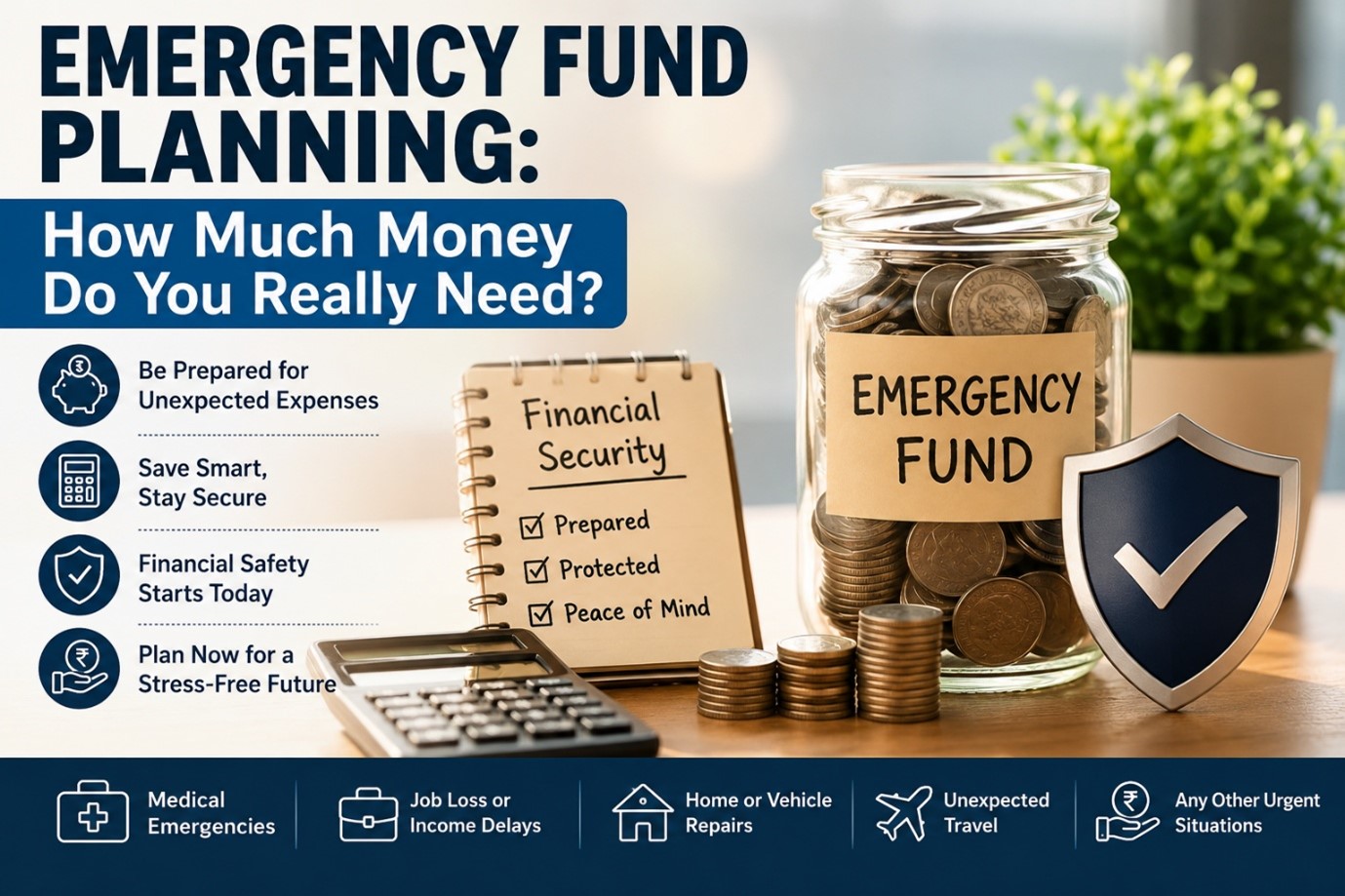
An emergency fund is a dedicated savings reserve created to handle unforeseen financial situations. It acts as a financial cushion that protects your monthly budget and long-term investments during emergencies.
Unlike regular savings, emergency funds should only be used for genuine urgent needs such as:
• Medical emergencies
• Job loss or salary delays
• Unexpected home or vehicle repairs
• Emergency travel expenses
• Business cash flow shortages
How Much Emergency Fund Should You Have?
Financial experts generally recommend saving at least 3 to 6 months of essential living expenses. However, the ideal amount depends on your income, responsibilities, and lifestyle.
Factors That Affect Emergency Fund Requirements
1. Monthly Living Expenses
Calculate all essential monthly costs, including:
• Rent or EMI payments
• Utility bills
• Grocery expenses
• Insurance premiums
• Transportation costs
• School or education fees
This helps determine the minimum emergency savings you should maintain.
2. Job or Income Stability
Salaried employees working in unstable industries may require larger emergency funds. In difficult situations, some people may consider an emergency loan approval in 5 mins solution for quick financial support, but having personal savings always offers better financial security.
3. Health and Medical Needs
Medical emergencies can create sudden financial pressure. Maintaining sufficient savings can reduce dependence on an emergency health loan during urgent healthcare situations.
4. Business Responsibilities
Business owners and self-employed professionals should also maintain emergency reserves. During temporary business slowdowns, many entrepreneurs search for an emergency loan for entrepreneurs to manage operational expenses. A dedicated emergency fund can help businesses survive uncertain periods more comfortably.
Where Should You Keep Your Emergency Fund?
Emergency funds should remain easily accessible while earning moderate returns. Suitable options include:
• Savings accounts
• Liquid mutual funds
• Fixed deposits with quick withdrawal options
Avoid high-risk investments for emergency savings because liquidity is important during urgent situations.
Benefits of Emergency Fund Planning
A strong emergency fund offers multiple financial advantages:
• Reduces financial stress
• Provides immediate access to funds
• Protects long-term investments
• Minimizes unnecessary borrowing
• Improves financial confidence and stability
Conclusion
Emergency fund planning is one of the smartest financial decisions anyone can make. Whether you are a salaried employee, entrepreneur, or business owner, having sufficient emergency savings can protect you from financial uncertainty. Although options like an emergency loan for salaried employees, emergency loan approval in 5 mins, emergency health loan, or emergency loan for entrepreneurs may provide temporary support, building a strong emergency fund ensures long-term financial security and peace of mind.
Published on: 23 May 2026 | By: FLEXIFUNDS
Tag: emergency fund planning, emergency savings, financial planning, emergency loan, personal finance, financial security